


In a world where consumers are bombarded with messages, brands must go beyond catchy slogans and clever wordplay to truly engage their audience. Effective copywriting is rooted in psychology—specifically, the principles of persuasion. By understanding how the human brain makes decisions, copywriters can craft messages that not only attract attention but also drive action.
Three of the most powerful psychological principles in persuasive copywriting aresocial proof, scarcity, and reciprocity
. These concepts, championed by psychologist Robert Cialdini in his book
Influence: The Psychology of Persuasion, have been used by marketers and advertisers for decades to shape consumer behavior. Here’s how each principle works and how you can apply it to your copywriting.
1. Social Proof: The Power of the Crowd
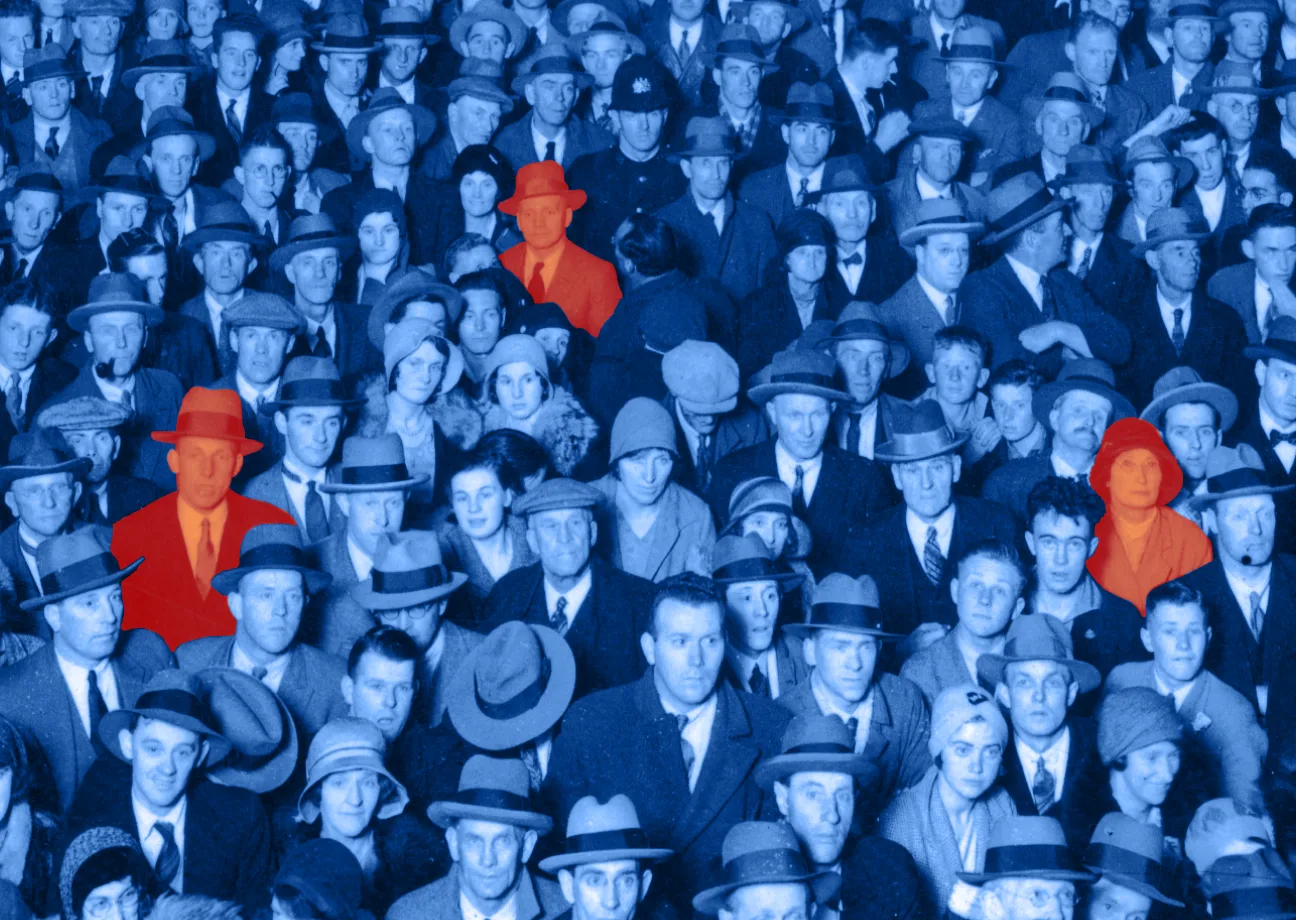
Humans are social creatures. We look to others to determine what is correct, especially in uncertain situations. Social proof is the phenomenon where people assume that the actions of others reflect the correct behavior.
How to Use It in Copywriting:
Customer Testimonials:
Featuring positive reviews and testimonials builds credibility and reassures potential buyers that they’re making the right choice. As Tom Albrighton states in
The ABC of Copywriting, testimonials add an extra layer of authenticity that brands can’t manufacture on their own.
Case Studies:
Demonstrating success stories with real data and real customers enhances trust and reinforces the value of your product.
User Statistics:
Phrases like “Join over 10,000 happy customers” or “90% of users saw an improvement” create the impression that your offering is widely accepted and trusted.
Influencer Endorsements:
Partnering with trusted figures in your industry can significantly enhance credibility and engagement.
2. Scarcity: The Fear of Missing Out
People are wired to value things that are in limited supply. Scarcity increases desirability, making people act quickly to avoid missing out. This principle taps into loss aversion—people are more motivated to avoid losing something than they are to gain something new.
How to Use It in Copywriting:
Limited-Time Offers:
Phrases like “Only available for the next 24 hours” create urgency.
Low Stock Alerts:
“Only 3 left in stock” triggers immediate action.
Exclusive Access:
“Members-only pricing” or “Limited to the first 100 customers” makes your audience feel like they’re part of a privileged group.
Seasonal Campaigns:
“Summer Collection – Once it’s gone, it’s gone!” emphasises temporary availability.
However, a well-crafted scarcity message should always be authentic—fake urgency can damage trust and credibility.
3. Reciprocity: The Give-and-Take Principle
Reciprocity is the natural human tendency to return a favor. When someone does something for us, we feel compelled to do something in return. In copywriting, giving value upfront can create goodwill and lead to higher conversions.
How to Use It in Copywriting:
Free Resources:
E-books, guides, and webinars provide immediate value and encourage potential customers to reciprocate by engaging further with your brand.
Discounts and Free Trials:
Offering an exclusive discount or free trial encourages prospects to test your product, making them more likely to commit in the future.
Personalised Offers:
“Here’s a special discount just for you” fosters a sense of gratitude and connection.
Helpful Content:
Providing genuinely useful content (blog posts, tutorials, etc.) builds trust and positions your brand as an authority.
Donald Miller, in
Building a StoryBrand, emphasises that generosity builds brand loyalty. Brands that offer value before asking for a sale establish deeper relationships with their audience.
Conclusion: Persuasion with Integrity
Persuasive copywriting is not about manipulation—it’s about understanding human psychology and using ethical techniques to guide people toward decisions that benefit them. Social proof builds trust, scarcity creates urgency, and reciprocity fosters goodwill. By implementing these principles into your copy, you can craft messages that not only resonate with your audience but also drive meaningful action.
In the end, great copywriting is abouthelping people make decisions they won’t regret
. By tapping into the science of persuasion, you can create messaging that is both compelling and trustworthy—turning prospects into loyal customers.

Written by
Max Tittmann · Account Director
Max Tittmann is the Account Director of Arcadia Digital. He works closely with the agency’s clients to make sure every project serves their mission and delivers results.
