
Beauty has always played a central role in Catholic tradition. From the grand cathedrals of Europe to the illuminated manuscripts of the Middle Ages, the Church has long understood the power of beauty to elevate the human spirit and draw people closer to God. In today’s digital age, Catholic businesses and ministries can apply these principles of beauty to branding and marketing, creating experiences that inspire, engage, and attract audiences.
Why Beauty Matters in Catholic Marketing
The concept of beauty in Catholicism is deeply rooted in theology, philosophy, and artistic tradition. By incorporating beauty into marketing, Catholic brands can reflect divine truth, enhance their message, and create a lasting impact on their audience.
Beauty Reflects Divine Truth
The Catholic Church teaches that beauty is a reflection of God's truth and goodness. St. Thomas Aquinas spoke of beauty as something that pleases when seen, uniting form and function in a way that uplifts the soul.
In marketing, well-designed visuals, elegant typography, and meaningful imagery can communicate truth and inspire faith.
Aesthetic Excellence Elevates the Message
Poorly designed materials can detract from the message, making it less credible or engaging.
A strong visual identity conveys professionalism, trustworthiness, and reverence—qualities essential for Catholic brands seeking to reflect the dignity of their mission.
Beauty Attracts and Captivates
In an age of information overload, attention spans are shorter than ever. Beautiful branding captures attention and invites people to engage more deeply with Catholic content.
A well-designed logo, an elegant website, or a visually compelling social media post can make a lasting impression.
Church Teachings on Beauty and Art
Throughout Church history, theologians and Church documents have highlighted the significance of beauty in evangelisation and worship. The teachings of the Church provide a strong foundation for Catholic branding and design.
The Catechism of the Catholic Church (CCC 2501)
states: “Created ‘in the image of God,’ man also expresses the truth of his relationship with God the Creator by the beauty of his artistic works.”
Pope Benedict XVI often emphasised the role of beauty in evangelisation, stating that “beauty is the great need of man; it is the root from which the trunk and branches of our humanity sprout.”
Sacrosanctum Concilium affirms that “the fine arts are among the noblest activities of man’s genius” and should be employed to glorify God and edify the faithful.
Practical Ways to Apply Catholic Beauty in Branding
Applying Catholic aesthetics to branding requires intentionality and respect for tradition. Here are some practical steps that Catholic businesses and ministries can take to create visually appealing and spiritually resonant marketing materials.
Use Symbolism with Meaning
There are a plethora of Catholic symbols and imagery that can be incorporated into branding in ways that are subtle yet powerful.
Choose Elegant, Timeless Typography
Typefaces make a huge difference in how a brand is perceived. While it doesn’t always have to be classical serifs, make sure it is elegant and timeless.
Emphasise Sacred Colours
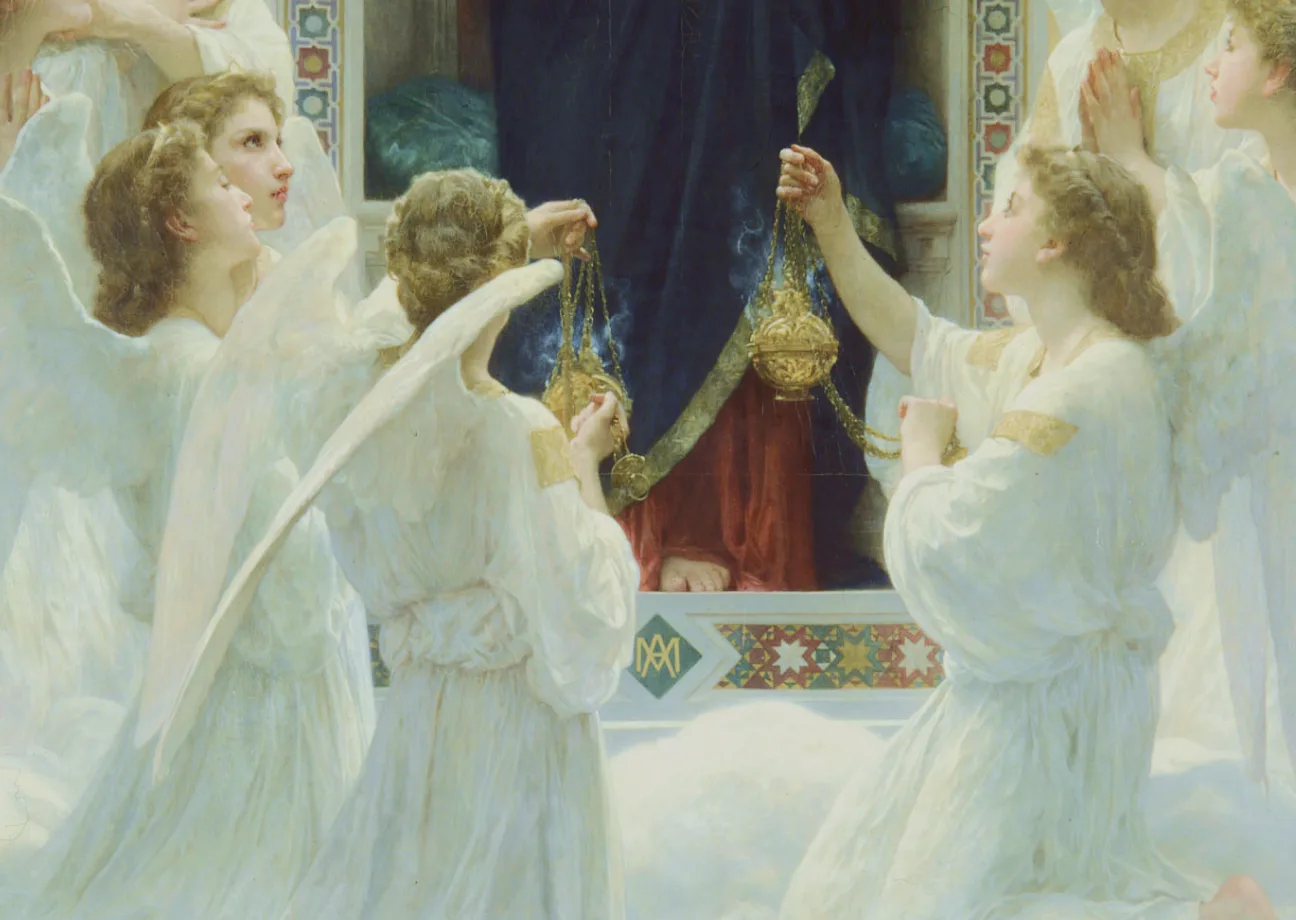
Gold for divinity, blue for Marian devotion, deep red for sacrifice—we Catholics are spoilt for choice when it comes to using colour to subtly reinforce Catholic identity.
Balance Simplicity with Majesty
Just as a cathedral’s grandeur is complemented by quiet chapels, design should balance richness with clarity, avoiding clutter while maintaining depth.
Invest in High-Quality Visuals
Use professional photography, hand-drawn illustrations, and carefully curated artwork to ensure every piece of marketing material reflects excellence.
Conclusion
Beauty is not merely an aesthetic choice in Catholic marketing—it is an essential tool. By embracing the Church’s teachings on beauty and applying them to branding, Catholic businesses and ministries can create an enduring visual identity that not only attracts but also uplifts and inspires. In a world that craves meaning, beauty can be a bridge to faith, helping to communicate the Gospel message in a way that is both compelling and effective.

Written by
Daniel Turner · Producer
Daniel Turner is a Producer at Arcadia Digital. He creates video, podcast and social content that helps organisations tell their stories well.
